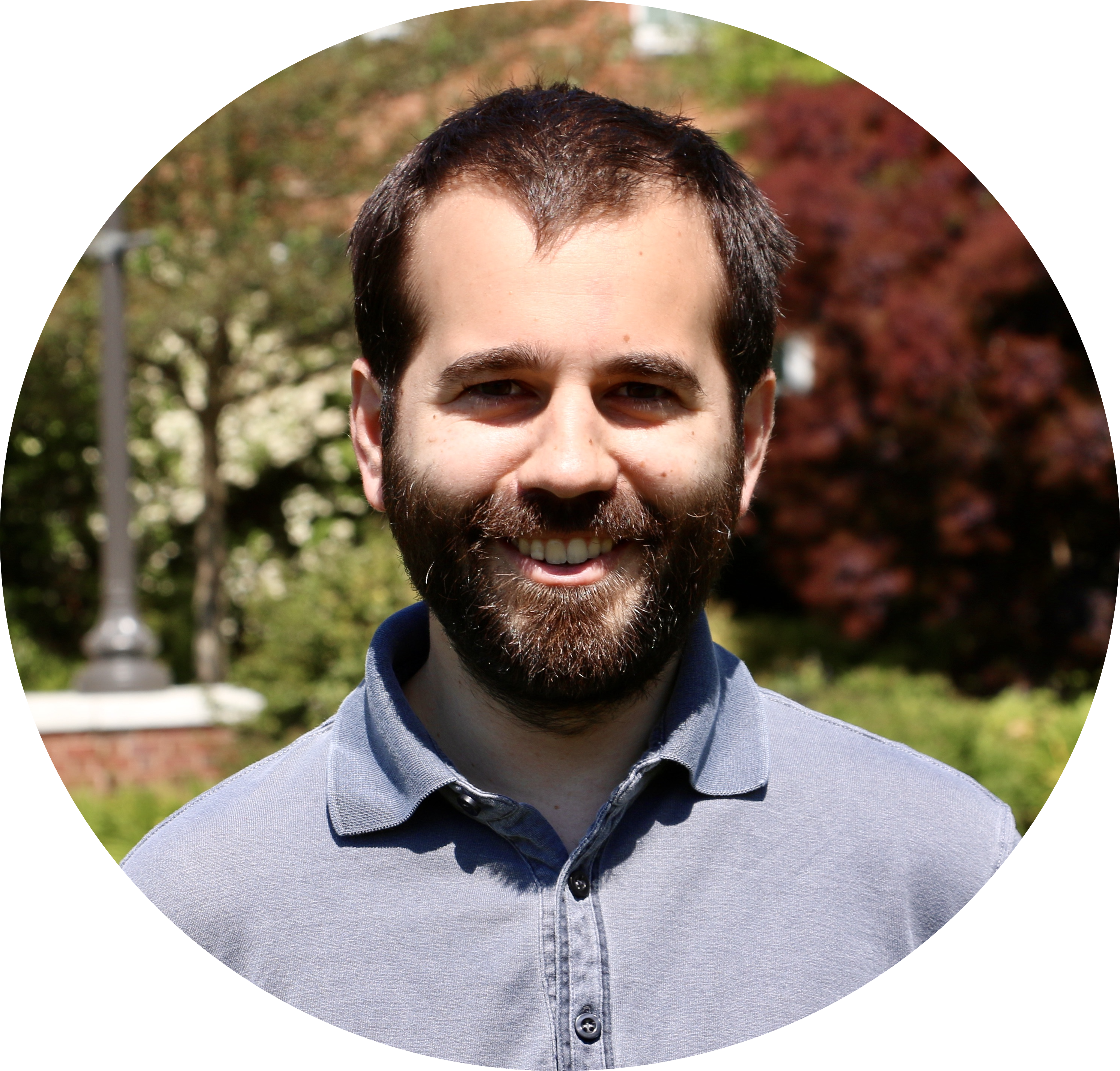
Jordi Abante, PhD
Ramón y Cajal Fellow · Principal Investigator
about jordi
Jordi leads a lab developing machine learning and probabilistic methods that connect molecular variation and cellular states with brain function, working at the intersection of computational genomics and computational neuroscience.
BS in Industrial Engineering (power electronics and signals), Universitat Politècnica de Catalunya, Barcelona. Went on to earn an MS in Electrical & Computer Engineering at Texas A&M University, joining the Center for Bioinformatics and Genomic Systems Engineering (Datta lab) to work on computational genomics research.
Awarded the "la Caixa" fellowship to pursue PhD research in computational genomics as a member of the Goutsias lab, developing computational methods to study epigenetic signatures in close collaboration with the Feinberg lab of the Johns Hopkins University School of Medicine.
Earned an MS focused on statistical learning from the Applied Mathematics & Statistics department at Johns Hopkins University.
Successfully defended his dissertation, "Statistical Signal Processing Methods for Epigenetic Landscape Analysis" (May 2021). Joined the Biomedical Data Science Department at Stanford University (Salzman & Ioannidis lab) as a Postdoctoral Research Fellow, awarded the Stanford Center for Computational, Evolutionary and Human Genomics postdoctoral fellowship.
Became a Postdoctoral Researcher in the Department of Biomedicine (Canals lab) and the Department of Mathematics and Computer Science (Radeva lab) at Universitat de Barcelona (January), developing methods for multimodal single-cell data analysis to study brain development and developmental alterations in Huntington's disease. Appointed Lecturer in the Mathematics and Computer Science department at UB (September).
Started the la Caixa Junior Leader fellowship in the Department of Biomedicine at UB.
Establishing his lab as a Ramón y Cajal fellow, since September 2025.